
Minimalist Architecture: Anneli Kramer's Visual Art Showcase
- Anne Kramer
- Jul 21, 2025
- 3 min read
Updated: Jul 23, 2025
Minimalist architecture is more than just a design style; it is a philosophy that emphasizes simplicity and functionality. Anneli Kramer, a talented visual artist, embodies this philosophy in her work. Her art showcases the beauty of minimalism, inviting viewers to appreciate the elegance of simplicity. In this blog post, we will explore Anneli's unique approach to minimalist architecture and how it influences her visual art.
The Essence of Minimalism
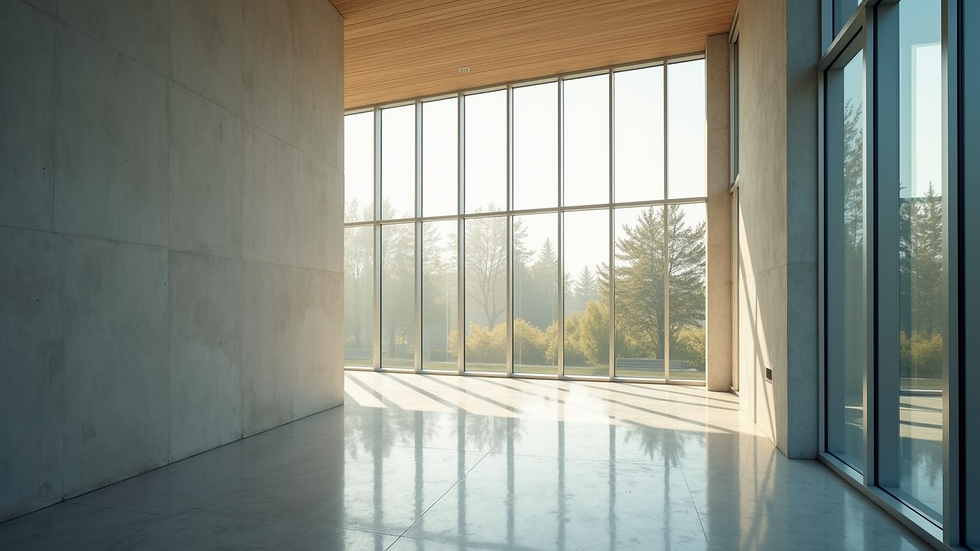
Minimalism is about stripping away the unnecessary to reveal the essential. In architecture, this means clean lines, open spaces, and a focus on materials. Anneli's work reflects these principles, creating spaces that feel both serene and inviting.
Key Characteristics of Minimalist Architecture
Simplicity: Minimalist architecture avoids clutter. Every element serves a purpose.
Functionality: Each space is designed with a specific function in mind. This makes the architecture practical and usable.
Natural Light: Large windows and open layouts allow natural light to flood the space, enhancing the feeling of openness.
Quality Materials: Minimalist designs often use high-quality materials that age beautifully, such as wood, stone, and glass.
Connection to Nature: Many minimalist designs incorporate elements of nature, creating a harmonious relationship between the indoors and outdoors.
Anneli Kramer's Artistic Vision
Anneli Kramer takes these principles and translates them into her visual art. Her pieces often feature architectural elements that highlight the beauty of minimalism. She uses a variety of mediums, including painting, photography, and digital art, to express her vision.
The Role of Color in Anneli's Work
Color plays a significant role in Anneli's art. She often uses a limited color palette, focusing on neutral tones and soft pastels. This choice enhances the minimalist aesthetic and allows the viewer to focus on the form and structure of her work.
Texture and Materiality
In addition to color, texture is another important aspect of Anneli's art. She often incorporates different materials into her pieces, creating a tactile experience for the viewer. This adds depth and interest, inviting people to engage with her work on multiple levels.
The Impact of Minimalism on Daily Life
Minimalist architecture and art can have a profound impact on our daily lives. By embracing simplicity, we can create spaces that promote calm and clarity. Anneli's work encourages us to consider how our environments affect our well-being.
Creating a Minimalist Space at Home
If you're inspired by Anneli's art, you might want to create a minimalist space in your own home. Here are some tips to get started:
Declutter: Start by removing items that you no longer need or use. Keep only what is essential.
Choose Quality Over Quantity: Invest in a few high-quality pieces that you truly love. This could be furniture, art, or decor.
Embrace Natural Light: Maximize natural light by using sheer curtains or leaving windows unobstructed.
Incorporate Nature: Bring in plants or natural materials to create a connection with the outdoors.
Keep It Simple: Choose a neutral color palette and simple designs to maintain a clean and open feel.
Anneli's Influence on the Art Community
Anneli Kramer's work has not only influenced her audience but also her peers in the art community. Her commitment to minimalism has inspired other artists to explore similar themes in their work. This has led to a growing appreciation for minimalist art and architecture.
Collaborations and Exhibitions
Anneli frequently collaborates with architects and designers to create installations that blend art and architecture. These projects showcase the beauty of minimalism in various contexts, from public spaces to private homes. Her exhibitions often draw large crowds, as people are eager to experience her unique vision.
The Future of Minimalist Architecture
As we move forward, the principles of minimalist architecture will continue to evolve. Anneli Kramer's work is a testament to this evolution. She pushes the boundaries of what minimalist art can be, exploring new materials and techniques while staying true to the core values of simplicity and functionality.
Embracing Change
The future of minimalist architecture will likely embrace sustainability and technology. As more people become aware of environmental issues, architects and artists will need to find innovative ways to create beautiful, functional spaces that are also eco-friendly.
Final Thoughts
Anneli Kramer's visual art showcase is a celebration of minimalist architecture. Her work invites us to appreciate the beauty of simplicity and encourages us to create spaces that promote well-being. By embracing minimalism, we can transform our environments and, ultimately, our lives.
Whether you are an art enthusiast or simply someone looking to simplify your space, Anneli's work offers valuable insights. It reminds us that less can indeed be more, and that beauty often lies in the simplest of forms.

Comments